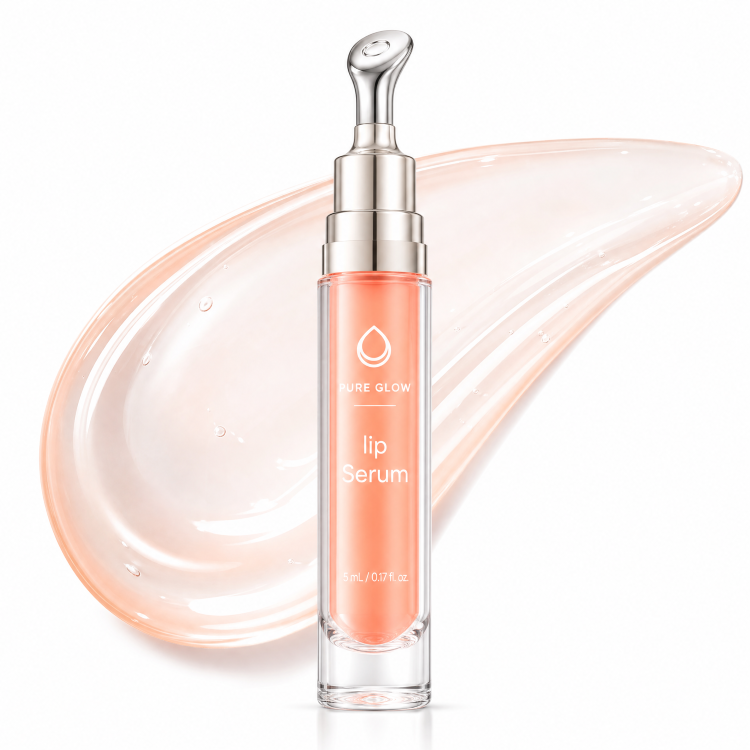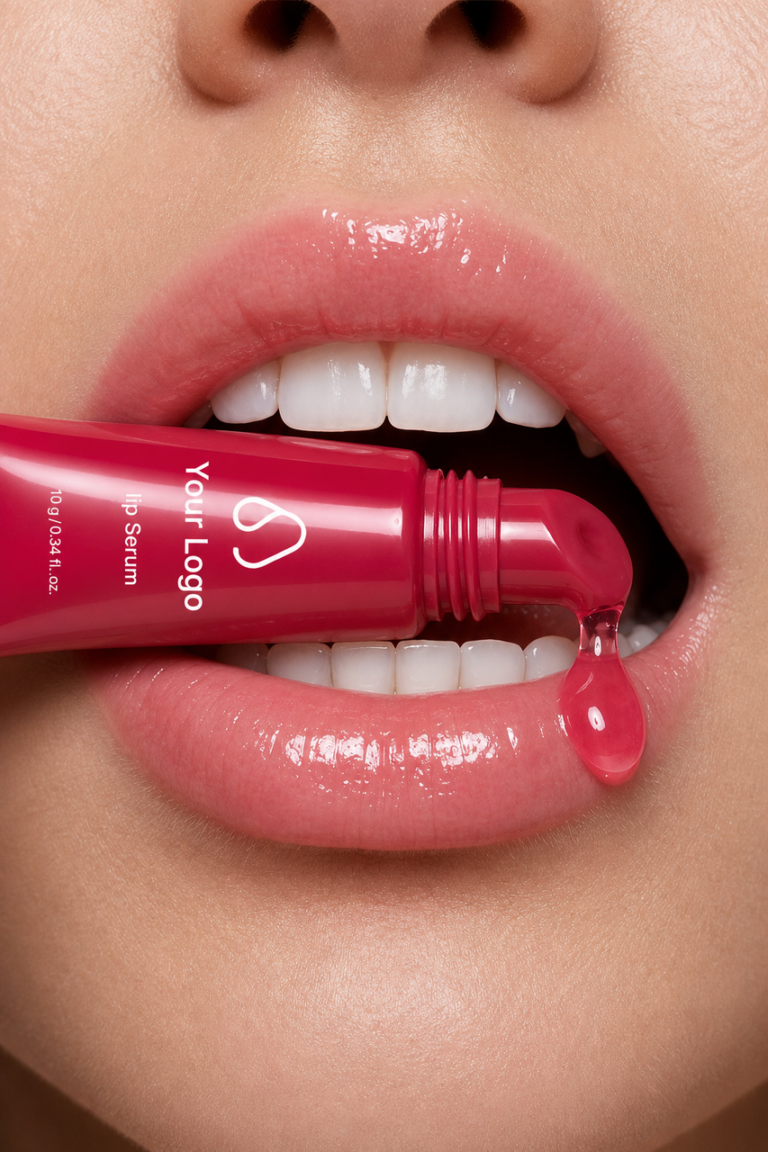
Your Trusted Lip Serum Manufacturer

We make it easy for you to build your brand by providing a one-stop solution to your private label OEM/ODM production.
Private Label Lip Serum
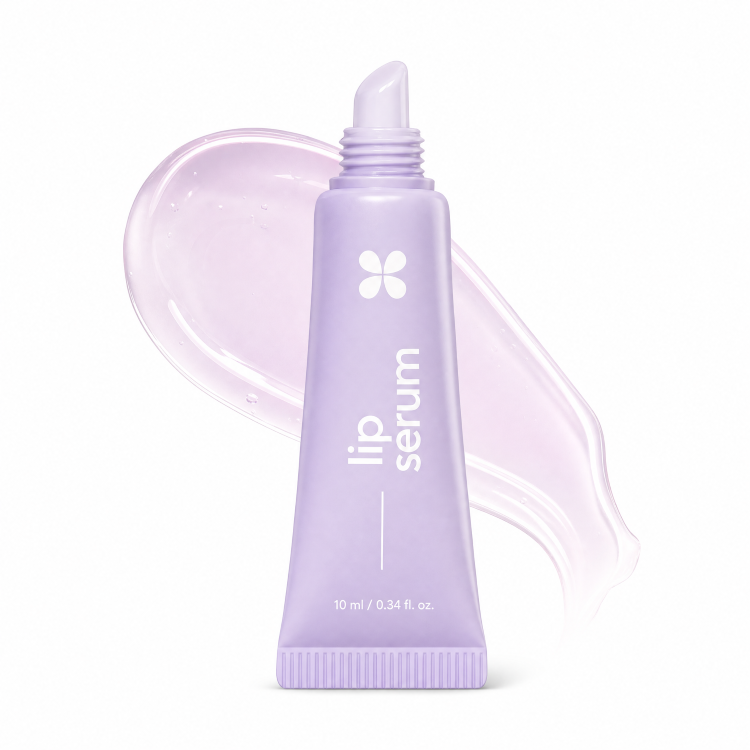
Lip serum is becoming one of the fastest-evolving categories in modern beauty, bridging the gap between skincare performance and cosmetic experience. Unlike traditional lip balms or glosses, lip serums are designed with lightweight yet active-focused formulations that deliver targeted benefits while maintaining a smooth, comfortable finish. This shift reflects growing consumer demand for products that not only enhance appearance, but also improve overall lip condition over time.
 
At Blackbird Skincare, we develop private label lip serums with a strong focus on both formulation performance and market relevance. Each concept is built around a clear product direction—whether that means deep hydration, visible plumping, barrier repair, overnight recovery, or advanced care powered by ingredients like peptides, PDRN, or exosome-inspired actives. By combining high-performing ingredient systems with refined textures and modern finishes, we help brands create lip products that feel treatment-oriented rather than purely cosmetic.
 
Our approach goes beyond formula development. From glossy oil-serum hybrids and lightweight gel serums to tinted treatment concepts and premium applicator designs, every detail can be customized to match your brand positioning and target audience. The result is a lip serum line that delivers more than surface-level appeal—offering strong product storytelling, higher perceived value, and long-term growth potential in today’s highly competitive beauty market.

Hyaluronic Acid Hydrating Lip Serum

Peptide Plumping Lip Serum
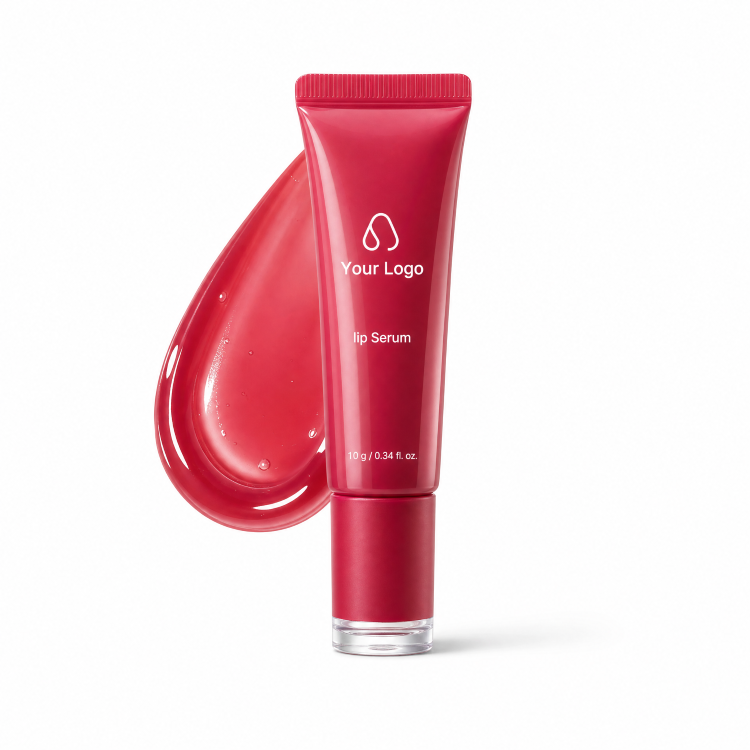
PDRN Repair Lip Serum
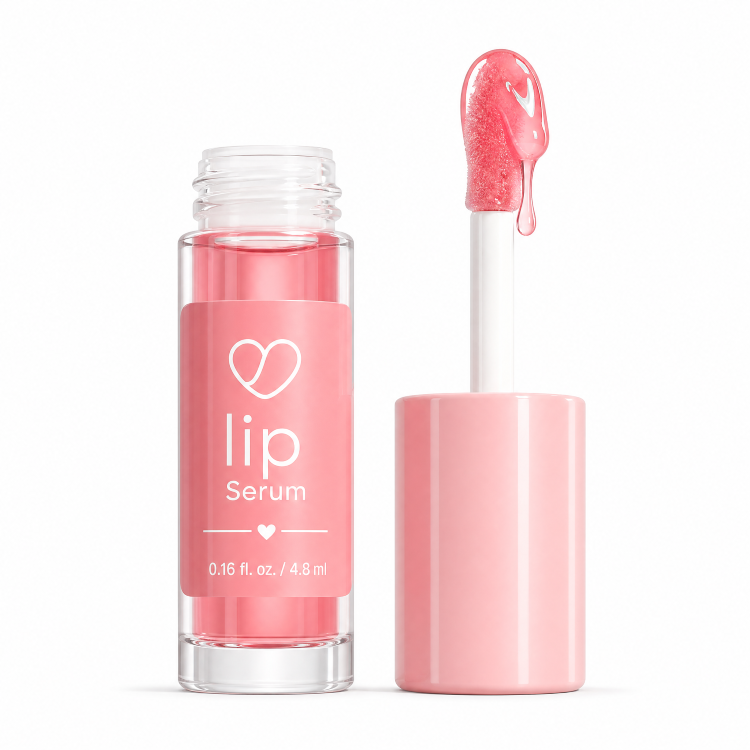
Exosome Radiance Lip Serum

Develop Lip Serums That Fit Your Brand

At Blackbird Skincare, we help transform lip serum concepts into products that combine strong market appeal with real formulation performance. From texture and finish to ingredient strategy and positioning, every element is developed around your brand identity, target audience, and product goals—ensuring your lip serum feels intentional, differentiated, and ready for the market.
Partner with Blackbird Skincare to create lip serums that not only look appealing, but also deliver the performance, experience, and positioning needed for long-term brand growth.

More Than Just Another Lip Care Manufacturer
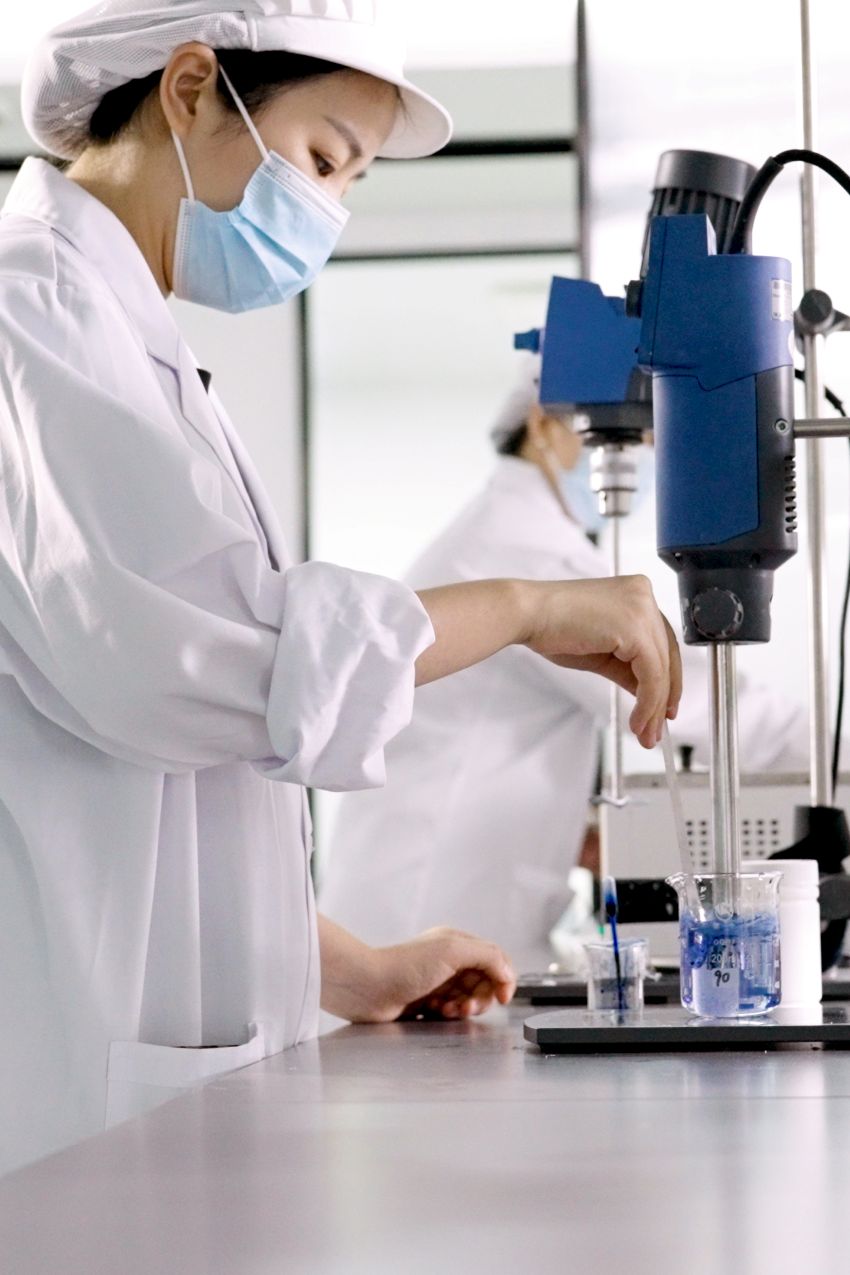
Creating a successful lip serum today is no longer just about adding shine or hydration—it’s about developing a product that consumers want to keep using, sharing, and repurchasing. At Blackbird Skincare, we approach lip serum development from both a formulation and brand-building perspective, helping transform simple concepts into products with stronger market potential and longer product life cycles.

Built Around Consumer Behavior

We look beyond ingredients alone and consider how consumers actually use lip products throughout the day—whether they want lightweight comfort, glossy layering, overnight repair, or treatment-focused care. This helps create products that fit naturally into modern beauty routines.
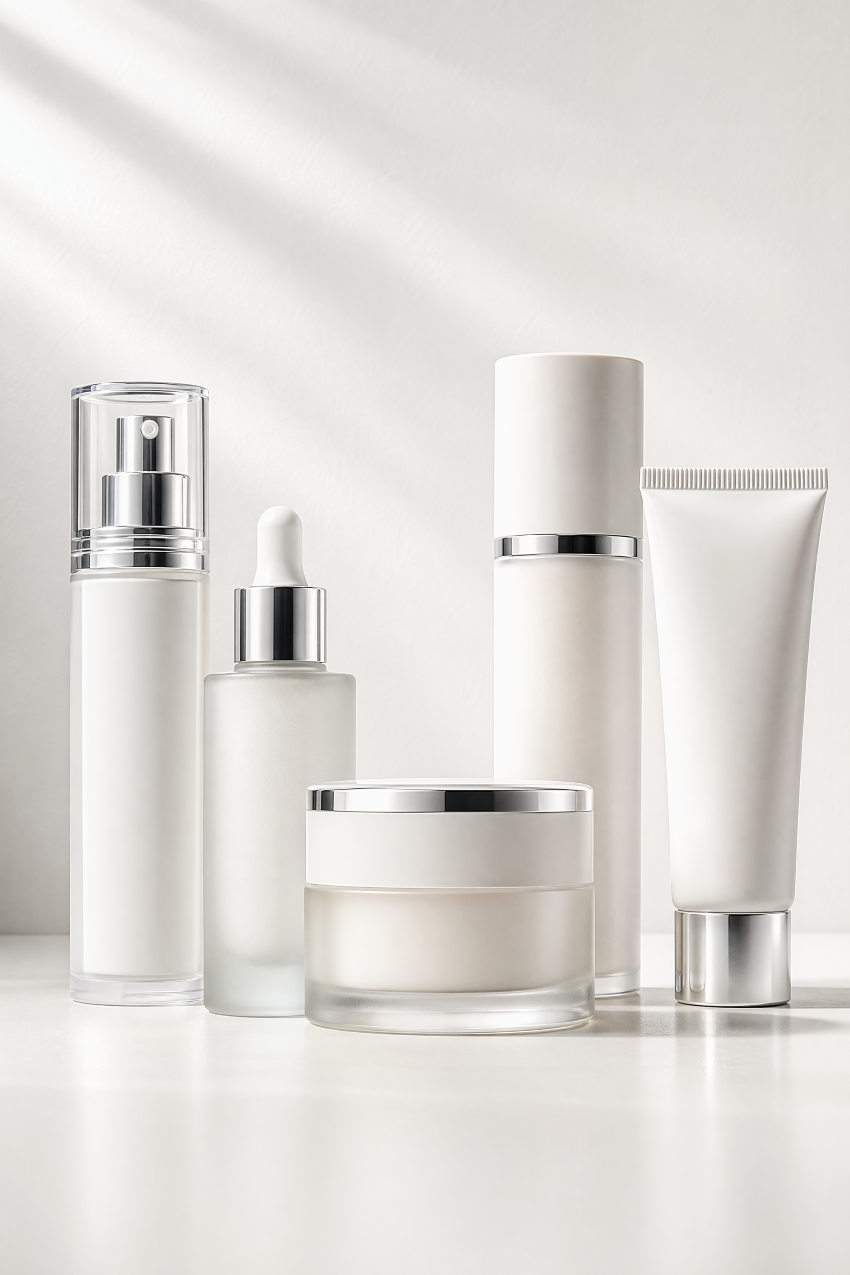
Experience-Driven Product Design

Lip serums are highly sensory products, where texture, glide, finish, and applicator design all shape how the product is perceived. We refine these details carefully to create an experience that feels polished, satisfying, and aligned with your positioning.
Trend Aligned Product Development

Instead of simply following popular ingredients, we help translate trends like peptide lip care, biotech-inspired actives, and hybrid gloss-serum textures into products that feel relevant, wearable, and commercially sustainable for your brand.

Designed for Long-Term Product Expansion

Strong lip serum concepts can evolve into broader collections, including overnight treatments, tinted care, plumping systems, or lip prep products. We help structure development in a way that supports future line expansion while maintaining consistency across the brand.

Why Growing Beauty Brands Work with Blackbird Skincare?

At Blackbird Skincare, we understand that for growing beauty brands, a lip serum is not just another SKU—it’s often a product that shapes how consumers first experience the brand. That’s why we focus not only on formulation, but also on how the product fits your positioning, content strategy, and long-term growth direction.
Working with Blackbird Skincare means partnering with a team that understands not only how to develop lip serum products—but also how those products need to function within a growing beauty brand.

FAQs About Private Label Lip Serum Development

For your convenience, we’ve gathered the most commonly asked questions about our lip Serum Products. However, should you have any further queries, please don’t hesitate to reach out to us.
Current market demand is shifting toward hybrid lip care products that combine treatment benefits with cosmetic appeal. Popular concepts include glossy treatment serums, peptide plumping lip serums, overnight recovery formulas, and biotech-inspired lip care featuring ingredients such as PDRN or exosome-inspired actives.
Differentiation often comes from the combination of texture, finish, ingredient story, and positioning. Lightweight glossy textures, treatment-focused concepts, advanced actives, and strong visual identity can help lip serums stand out.
Lip serums commonly use ingredients such as hyaluronic acid, peptides, ceramides, botanical oils, and antioxidants to support hydration, smoothness, and lip conditioning. For more premium concepts, brands are increasingly exploring PDRN, exosome-inspired actives, and biotech-driven ingredients.
Yes. Lip serums can be developed in a variety of textures, including lightweight water-serums, glossy oil-serum hybrids, richer overnight treatments, or non-sticky daily care formulas. Texture customization plays a major role in how the product is positioned and experienced.
Popular formats include squeeze tubes, doe-foot applicators, click pens, and roller systems. Packaging selection usually depends on formula viscosity, finish, target audience, and overall brand positioning.
Yes. Lip serums are increasingly positioned as treatment-oriented products rather than basic lip care. This makes them suitable for premium collections focused on hydration, repair, anti-aging, or biotech-inspired concepts.
Development timelines vary depending on formulation complexity, customization level, and packaging requirements. Projects with highly customized textures, finishes, or ingredient systems may require additional testing and optimization.
Yes. A successful lip serum concept can often be extended into overnight masks, lip oils, plumping systems, tinted care products, or lip prep treatments, helping brands build a more cohesive and scalable lip care line.
Lip serums combine strong visual appeal, easy product storytelling, and high repeat-purchase potential. Their texture, finish, and treatment-focused positioning also make them highly effective for social content and digital-first marketing strategies.
Brands should consider target audience, finish preference, key ingredients, positioning, packaging format, and long-term product strategy. The most successful lip serums are usually built around a clear concept rather than simply following trends.

Estimated manufacturing price

Product Cos​t

The cost of our Lip Serum products varies depending on the specific product and the quantity ordered. We offer competitive pricing and volume discounts to ensure you get the best value for your money.

Customization Cost

If you opt for customized products - such as private labeling or unique packaging - there may be additional costs involved. These will be clearly communicated and agreed upon before production begins.

Shipping Cost

Shipping costs are determined by the size and weight of the order, as well as the destination. We work with reliable shipping partners to ensure you get the best rates and timely delivery.
Import Duties and Taxes

Depending on your country, you may be required to pay import duties and taxes on your order. These costs are not included in our pricing and are the responsibility of the buyer.

Sample Cost

If you wish to order samples before making a larger purchase, there will be a nominal fee for the product and shipping. However, we will deduct this cost from your subsequent bulk order.

Payment Terms

We typically require a deposit before production begins, with the balance due before shipping. Specific terms can be negotiated based on your order size and frequency.

Estimated manufacturing and shipping times

Please note that this is a general timeline and can vary depending on the specifics of your order and any unforeseen circumstances. We’ll keep you updated throughout the process to ensure you know exactly when to expect your order.

Product Development & Project Requirements (7-14 Days)

Once we receive your initial order, we'll spend the first week or two discussing your specific requirements and developing the product accordingly.

Product Design (5-7 Days)

Our team will then design the product, taking into account any customization requests such as private labeling or unique packaging.

Product Testing (30 Days)

The product samples will undergo rigorous testing to ensure they meet our high-quality standards and any relevant safety regulations. This process typically takes about a month.

Product Development & Project Requirements (7-14 Days)

Once we receive your initial order, we'll spend the first week or two discussing your specific requirements and developing the product accordingly.

Sample Received Confirm Stage

Once the samples have passed our tests, we'll send them to you for approval. You'll have the opportunity to review the product and provide any feedback or request any changes.

Mass Production (30 Days)

The production process typically takes about a month, depending on the size of the order.

Shipping

Once production is complete, we'll arrange for the shipping of your order. The shipping time will depend on the method of shipping chosen:
Air Freight: 15-20 Days
Sea Freight: 55-60 Days

Goods Received

You'll receive your order of high-quality Lip Serum products ready to be sold to your customers.

We Have Helped Build More Than 747 Brands Worldwide

Your Ultimate Guide to Lip Serum

Lip care is becoming increasingly connected to skincare, with consumers expecting products to deliver more than basic moisture or shine. Instead of treating lip products as occasional essentials, many consumers now look for formulas that combine daily comfort, visible finish, and long-term care in a single step.
 
This shift has helped lip serums emerge as one of the fastest-growing categories in lip care. By combining lightweight textures with treatment-focused ingredients, lip serums create a more refined experience that feels closer to skincare than traditional lip balm. Hydration, smoothing, plumping, and repair are now being integrated into formulas designed for both performance and everyday wearability.
 
At the same time, lip serums offer strong commercial potential for growing brands. Their glossy finishes, serum-like textures, and skincare-inspired positioning naturally support stronger visual presentation and clearer product storytelling, making them easier to differentiate and more adaptable across evolving beauty markets.

Table of Contents

Why Lip Serums Are Becoming a Fast-Growing Category

Lip serums are rapidly evolving from simple lip care products into a category that combines skincare functionality, cosmetic appeal, and everyday usability. As consumers increasingly look for products that feel both effective and enjoyable to use, lip serums have become a format that naturally fits modern beauty routines and changing purchasing behaviors.
 
Growing Demand for Hybrid Beauty Products
One of the biggest drivers behind the category’s growth is the rising demand for products that combine multiple benefits in a single step. Consumers no longer want lip products that provide only temporary moisture or shine—they are increasingly drawn to formulas that also support smoothing, repair, plumping, or long-term lip care.
Lip serums fit naturally into this shift because they combine treatment-focused ingredients with wearable textures and cosmetic finishes, creating products that feel both practical and elevated.
 
Strong Alignment with Everyday Beauty Routines
Unlike some treatment-focused skincare products that require complex routines or occasional use, lip serums integrate easily into daily habits. They can be used throughout the day, layered with makeup, or incorporated into nighttime recovery routines, making them highly adaptable for different lifestyles and beauty preferences.
This frequent and flexible usage pattern also helps strengthen repeat-use behavior and long-term consumer engagement.
 
Increasing Interest in Skincare-Inspired Lip Care
Consumers are becoming more ingredient-aware and increasingly expect lip products to deliver skincare-level benefits rather than basic surface protection alone. This has pushed the category toward more advanced formulations featuring ingredients such as peptides, ceramides, hyaluronic acid, PDRN, and exosome-inspired actives.
As a result, lip serums are increasingly positioned as treatment-oriented beauty products rather than simple cosmetic accessories.
 
High Visual and Sensory Appeal
Texture and finish play a major role in the popularity of lip serums. Gloss level, smooth application, lightweight feel, and visible hydration effects all contribute to a more engaging product experience.
At the same time, these sensorial qualities make lip serums highly adaptable for visually driven marketing and product storytelling, helping brands create products that are easier to showcase and differentiate.
 
Flexible Positioning Across Different Brand Directions
Lip serums are highly flexible in terms of formulation and positioning. Depending on texture, finish, ingredients, and packaging, they can be developed as glossy treatment hybrids, minimalist daily essentials, premium overnight products, or biotech-inspired lip care concepts.
This flexibility allows brands to participate in evolving beauty trends while still maintaining a distinct identity and product direction.
 
Strong Potential for Hero Product Development
Many growing beauty brands are looking for products that are visually recognizable, easy to communicate, and naturally suited for repeat purchase behavior. Lip serums fit these needs particularly well because they combine immediate sensory appeal with ongoing treatment-focused benefits.
With the right concept and positioning, lip serums can function not only as supporting products, but also as scalable hero SKUs that help strengthen brand recognition and long-term customer retention.
 
Lip serums are becoming a fast-growing category because they combine skincare-inspired benefits, wearable textures, and strong user experience in a format that feels highly relevant to modern beauty habits.
For growing beauty brands, this creates opportunities to develop products that are easier to position, naturally adaptable for content-driven marketing, and capable of supporting both short-term engagement and long-term growth.

What Makes a Lip Serum Different from Traditional Lip Care?

Lip serums differ from traditional lip care products not only in texture, but also in formulation philosophy, ingredient strategy, and overall user experience. While traditional lip products are often designed primarily for basic moisture protection, lip serums are typically developed as more treatment-focused products that combine skincare-inspired benefits with cosmetic appeal.
 
More Active-Focused Formulations
Traditional lip balms mainly rely on occlusive ingredients such as waxes and heavy emollients to create a protective layer over the lips. Lip serums, by contrast, are usually formulated with a higher focus on active ingredients designed to support hydration, smoothing, repair, plumping, or barrier care over time.
Many modern lip serums incorporate skincare-inspired ingredients such as peptides, ceramides, hyaluronic acid, antioxidants, PDRN, or exosome-inspired actives, helping position them as more advanced and performance-oriented products rather than simple protective lip care.
 
Lighter and More Refined Textures
Texture is one of the biggest differences between lip serums and traditional lip balms. Conventional lip products are often thicker, waxier, or heavier in feel, while lip serums are generally designed with lighter, smoother, and more fluid textures.
Depending on the concept, lip serums may deliver glossy finishes, serum-like absorption, oil-gel textures, or lightweight hydration that feels more elegant and comfortable for repeated daily use. This refined sensory experience plays a major role in how consumers perceive product quality and performance.
 
Designed for Both Care and Appearance
Traditional lip care products are usually positioned around protection or dryness relief alone. Lip serums, however, are often developed to combine visible cosmetic benefits with long-term lip care.
Many formulations are designed to enhance shine, smoothness, fullness, or overall lip appearance while simultaneously supporting hydration and lip condition. This hybrid positioning allows lip serums to function as both beauty-enhancing and treatment-oriented products at the same time.
 
Better Alignment with Modern Beauty Routines
Lip serums fit more naturally into today’s skincare-driven beauty habits. Consumers increasingly expect lip products to feel integrated with the rest of their beauty routines rather than functioning as separate, occasional-use items.
As beauty routines become more focused on lightweight layering, multifunctionality, and treatment-focused care, lip serums offer a format that feels more aligned with current consumer preferences and digital-first beauty culture.
 
Stronger Product Storytelling and Market Positioning
For brands, lip serums create more opportunities for differentiation compared with traditional lip balms. Texture innovation, ingredient positioning, glossy finishes, and treatment-focused concepts make it easier to build stronger product stories and premium positioning.
This is especially important in DTC markets, where products often need to communicate value quickly through visuals, texture demonstrations, and simplified messaging across social and e-commerce platforms.
 
Lip serums stand apart from traditional lip care because they combine skincare-inspired formulation, refined texture experience, and cosmetic appeal in a more modern and versatile format. Rather than functioning only as protective products, they are increasingly positioned as treatment-oriented beauty products designed for both performance and everyday enjoyment.
For brands, this creates greater flexibility in positioning, stronger differentiation potential, and more opportunities to develop products that align with evolving consumer expectations.

What Ingredients Work Best in Lip Serum Formulations?

The effectiveness of a lip serum depends heavily on how ingredients are selected and balanced within the formula. Unlike traditional lip care products that mainly focus on surface protection, lip serums are often designed around more active-focused systems that combine treatment benefits with a comfortable and wearable texture.

The best ingredient choices usually depend on the product’s positioning, target audience, and desired finish—whether the goal is hydration, plumping, repair, smoothing, brightening, or premium treatment-focused care.
 
Hydration and Moisture Retention Ingredients
Hydration remains one of the core functions of lip serums, making moisture-supporting ingredients essential in many formulations. Ingredients such as hyaluronic acid, glycerin, squalane, and botanical oils are commonly used to help improve softness, reduce dryness, and maintain lip comfort throughout the day.
These ingredients are especially important in lightweight serum textures, where hydration needs to feel effective without creating a heavy or overly waxy finish.
 
Barrier Support and Repair Ingredients
As consumers become more focused on long-term lip health, barrier-support ingredients are becoming increasingly important in modern lip serum development. Ceramides, panthenol, allantoin, and nourishing lipids are often incorporated to help support recovery, reduce dryness, and improve overall lip condition over time.
These ingredients work particularly well in overnight lip serums or treatment-focused concepts designed for dry, damaged, or sensitive lips.
 
Peptides and Smoothing Actives
Peptides are widely used in lip serum formulations because they support smoother-looking lips and help create a fuller, more refined appearance. They are commonly positioned around plumping, firmness, and lip conditioning benefits while still maintaining a relatively lightweight and wearable feel.
For many brands, peptide-based lip serums also provide a more premium and skincare-inspired positioning compared with traditional gloss or balm concepts.
 
Biotech and Advanced Skincare Ingredients
More advanced lip serum concepts are increasingly incorporating ingredients such as PDRN and exosome-inspired actives. These ingredients are often associated with repair-focused, regeneration-inspired, or premium skincare positioning, helping brands create products that feel more innovation-driven and differentiated.
While these ingredients are still emerging within lip care, they are becoming more relevant as consumers expect lip products to deliver skincare-level benefits rather than simple cosmetic effects.
 
Oils and Texture-Enhancing Ingredients
The texture and finish of a lip serum play a major role in overall product perception. Ingredients such as jojoba oil, sunflower seed oil, meadowfoam seed oil, and lightweight emollients are commonly used to improve glide, shine, and comfort during application.
The right oil balance helps create finishes that range from glossy and cushiony to lightweight and serum-like, depending on the intended market positioning.
 
Brightening and Tone-Enhancing Ingredients
Some lip serum formulations are designed to improve dull-looking or uneven lip tone. Ingredients such as niacinamide, vitamin C derivatives, and botanical extracts may be incorporated to support a brighter and healthier-looking appearance while maintaining lip comfort and hydration.
These concepts are particularly popular in markets where tone-evening and glow-focused beauty trends continue to grow.
 
Choosing Ingredients Based on Product Positioning
The most effective lip serum formulations are usually built around a clear product direction rather than simply combining multiple trendy ingredients together.
For example:
  • Hydration-focused concepts may prioritize hyaluronic acid and lightweight oils
  • Repair-focused products often rely on ceramides and barrier-support ingredients
  • Premium treatment concepts may integrate peptides, PDRN, or exosome-inspired actives
  • Gloss-serum hybrids may focus more heavily on texture-enhancing oils and shine performance
When ingredient selection, texture, and product positioning are aligned, lip serums become easier to market, easier to differentiate, and more relevant to modern beauty consumers.
 
The best ingredients for lip serum formulations are those that support both product performance and overall user experience. Modern lip serums are no longer built around moisture alone—they increasingly combine skincare-inspired actives, refined textures, and treatment-focused concepts that align with evolving consumer expectations.
For brands, thoughtful ingredient selection plays a key role not only in formulation quality, but also in how effectively the product can be positioned, communicated, and scaled in competitive beauty markets.

Which Lip Serum Concepts Are Trending in the Market?

The lip serum category is evolving quickly as consumers increasingly expect lip products to deliver more than basic hydration or shine. Current market trends are being shaped by the rise of skincare-inspired beauty, hybrid textures, and products that combine visible results with a more enjoyable user experience. For modern beauty brands, especially DTC-focused brands, lip serums have become a flexible category for creating products that feel both trend-relevant and commercially scalable.
 
Glossy Treatment Hybrids
One of the strongest trends in the market is the rise of lip products that combine high-shine finishes with treatment-focused benefits. Consumers are moving away from traditional sticky glosses and toward formulas that deliver hydration, smoothing, and long-term lip comfort while still providing a glossy appearance. This “skincare-meets-makeup” positioning continues to gain traction across digital-first beauty markets.
 
Peptide Lip Serums
Peptide-focused lip serums are becoming increasingly popular as consumers look for products that support smoother, fuller-looking lips without relying solely on temporary plumping effects. These products are often positioned around lip conditioning, softness, and refinement while maintaining lightweight and wearable textures. Peptides also help create a more premium and skincare-oriented product image.
 
PDRN and Biotech-Inspired Lip Care
Biotech-driven concepts are expanding rapidly within lip care, especially through ingredients such as PDRN and exosome-inspired actives. These formulations are commonly associated with regeneration-focused, repair-oriented, or advanced skincare positioning, helping brands create products that feel more innovative and differentiated. PDRN lip products, in particular, are gaining visibility across K-beauty and social-driven beauty channels.
 
Overnight Recovery Lip Serums
Overnight lip treatments continue to grow as consumers increasingly prioritize barrier care and recovery-focused beauty routines. These products are often developed with richer textures, ceramides, peptides, botanical oils, or hydration-support ingredients that help improve lip softness and reduce dryness overnight. This trend aligns closely with the broader shift toward long-term lip health rather than quick cosmetic fixes.
 
Lightweight Glassy Finishes
Consumers are increasingly favoring lightweight, breathable finishes over heavier or overly waxy lip products. “Glassy” textures that feel smooth, comfortable, and non-sticky are becoming especially popular because they combine cosmetic appeal with everyday wearability. This shift reflects broader beauty trends focused on effortless, low-maintenance products with skincare-inspired comfort.
 
Skincare-Inspired Lip Treatments
Lip products are increasingly being treated with the same level of sophistication as facial skincare. Instead of basic moisture-only products, consumers now expect lip serums to address concerns such as barrier support, smoothing, dehydration, environmental stress, and long-term lip condition. This trend is driving stronger demand for ingredients such as ceramides, hyaluronic acid, peptides, and antioxidants within lip care formulations.
 
The fastest-growing lip serum concepts are those that combine skincare functionality, sensorial textures, and strong visual appeal in a format that feels easy to integrate into modern beauty routines. For brands, this creates opportunities to develop products that are not only trend-driven, but also highly adaptable for DTC positioning, social content, and long-term category expansion.

How Can Brands Differentiate a Lip Serum Product?

As the lip serum category becomes more competitive, differentiation is becoming less about simply adding trendy ingredients and more about creating a product that feels distinct, relevant, and memorable as a complete experience. For modern beauty brands, especially DTC-focused brands, successful lip serums are often built through the combination of formulation direction, texture experience, visual identity, and clear positioning rather than a single feature alone.
 
Build Around a Clear Product Concept
Many lip serum products fail to stand out because they try to communicate too many benefits at once. Stronger products are usually built around one clear direction—such as overnight recovery, glossy treatment care, peptide plumping, barrier repair, or biotech-inspired lip renewal.
When the concept is focused, it becomes easier for consumers to immediately understand what makes the product different and why it fits into their routine. Clear positioning also improves communication across product pages, social content, and digital advertising.
 
Use Texture as a Differentiation Tool
Texture plays a major role in how lip serums are perceived. Consumers increasingly associate texture with quality, effectiveness, and overall product experience.
A lightweight glassy finish, a cushiony oil-serum texture, or a smooth non-sticky treatment feel can all create very different impressions even when the core benefits are similar. In many cases, texture and finish influence repeat purchase behavior just as much as ingredients.
For DTC brands, texture also becomes an important visual asset because movement, shine, and application feel translate well into short-form content and product demonstrations.
 
Create Strong Ingredient Storytelling
Ingredients are most effective when they support a recognizable product narrative rather than functioning as isolated marketing terms. Instead of simply listing trendy ingredients, successful lip serum products usually connect them to a clear purpose.
For example:
  • Peptides may support smoothing and fuller-looking lips
  • Ceramides may reinforce recovery and barrier-focused care
  • PDRN or exosome-inspired actives may position the product around advanced or regeneration-inspired lip treatment
This approach makes products easier for consumers to understand while strengthening perceived value and differentiation.
 
Align Packaging with Product Positioning
Packaging strongly influences how consumers perceive lip serum products before they even try them. Applicator design, material choice, transparency, gloss level, and overall visual presentation all contribute to the product’s identity.
For example, minimalist airless packaging may support a more clinical or premium skincare direction, while glossy transparent tubes may reinforce a playful or trend-driven concept. Strong alignment between packaging and formulation helps create a more cohesive brand experience.
 
Focus on User Experience, Not Just Function
Consumers increasingly expect beauty products to feel enjoyable and intuitive to use. Lip serums that absorb comfortably, layer well with makeup, avoid stickiness, and maintain wearability throughout the day often create stronger long-term engagement than products focused only on immediate visual effects.
A refined user experience can also help transform a lip serum from an occasional-use product into part of a consistent daily routine, increasing repeat-use and repeat-purchase potential.
 
Develop Products That Fit Digital-First Markets
Modern lip serum products often succeed because they are naturally suited for social and e-commerce environments. Shine, texture movement, applicator interaction, and before-and-after visuals all help products perform well in content-driven marketing.
Brands that design lip serums with digital visibility in mind—rather than treating content creation as an afterthought—are often able to create stronger engagement and faster product recognition in competitive DTC spaces.
 
Differentiating a lip serum product requires more than following trends or adding popular ingredients. The strongest products are usually those where concept, texture, ingredients, packaging, and user experience all work together to create a clear and memorable identity.
For brands, this creates products that are easier to position, easier to market, and more capable of building long-term consumer engagement in modern beauty markets.

Why Lip Serums Work Well for Growing Brands

Lip serums are particularly well-suited for growing brands because they combine strong visual appeal, repeat-use potential, and approachable product storytelling within a category that consumers already understand and use regularly. As beauty purchasing becomes increasingly influenced by content, texture experience, and everyday usability, lip serums naturally align with how consumers discover and engage with products today.
 
Strong Visual Appeal and Content Compatibility
Lip serums perform especially well in modern beauty content because texture, gloss, applicator interaction, and finish are easy to showcase visually. Compared with many traditional skincare categories that require more explanation, lip serums communicate their appeal quickly through simple demonstrations and close-up application visuals.
This makes them highly adaptable for product-focused marketing, creator collaborations, and visually driven e-commerce environments where first impressions strongly influence engagement.
 
Easy for Consumers to Understand and Adopt
One of the advantages of lip serums is that they require very little usage education. Most consumers already have established lip care habits, making it easier for brands to introduce treatment-focused concepts without creating friction in the purchase process.
Whether positioned around hydration, smoothing, glossy care, or overnight recovery, lip serums usually communicate their purpose clearly and fit naturally into existing routines.
 
Strong Repeat-Use and Retention Potential
Lip care products are often reapplied throughout the day, creating higher usage frequency compared with many traditional skincare products. This frequent interaction helps strengthen routine integration and increases the likelihood of repeat purchase behavior over time.
For brands, this makes lip serums especially valuable as products that can support both customer retention and long-term product familiarity.
 
Flexible Across Different Brand Directions
Lip serums are highly adaptable and can support a wide range of positioning strategies. Depending on texture, finish, ingredient direction, and packaging, they can be developed as minimalist daily essentials, glossy beauty hybrids, premium treatment products, or more innovation-driven lip care concepts.
This flexibility allows brands to create products that align naturally with their existing identity while still participating in evolving beauty trends.
 
Strong Potential as a Hero Product
Many successful beauty brands grow through products that are easy to recognize, enjoyable to use, and simple to communicate. Lip serums naturally support this type of hero product strategy because they combine visible cosmetic appeal with skincare-inspired benefits in a format that encourages consistent everyday use.
With the right concept and positioning, a lip serum can become more than a supporting SKU—it can help shape how consumers first experience and remember the brand.
 
Lip serums work especially well for growing brands because they combine treatment-focused care, visual engagement, and repeat-use behavior in a format that feels intuitive and easy to integrate into everyday routines.
For brands looking to create products that are adaptable, content-friendly, and capable of supporting long-term growth, lip serums offer strong potential as both entry-level products and scalable hero concepts.

How to Choose the Right Texture for a Lip Serum?

Texture is one of the most important factors in lip serum development because it directly shapes how consumers perceive comfort, quality, performance, and overall product value. In many cases, texture influences repeat purchase behavior just as much as ingredients or claims. For modern beauty brands—the right texture can also improve product storytelling, visual appeal, and content performance across social platforms.
Rather than choosing a texture based only on trends, successful lip serum development usually starts by aligning texture direction with target audience, usage habits, finish preference, and product positioning.
 
Lightweight Glossy Textures for Everyday Use
Lightweight glossy lip serums are among the most commercially versatile formats because they combine shine, hydration, and comfortable wearability without feeling overly heavy or sticky. These textures are especially popular in DTC and younger beauty markets where consumers prefer products that feel effortless and easy to reapply throughout the day.
This type of texture also performs particularly well in digital content because shine and movement are highly visible in close-up product demonstrations and social-first marketing.
 
Cushiony Oil-Serum Textures for Premium Positioning
Oil-serum hybrid textures create a richer and more cushioned feel while still maintaining a smoother, more refined finish than traditional lip oils or glosses. These formulas are often positioned around nourishment, comfort, and treatment-focused care.
Because they feel more substantial during application, they are commonly used in premium or nighttime lip serum concepts where consumers expect a more indulgent experience.
 
Non-Sticky Serum Textures for Modern Wearability
One of the biggest shifts in modern lip care is the move away from heavy or overly sticky finishes. Many consumers now prioritize comfortable textures that layer well with makeup, feel breathable, and remain wearable throughout the day.
As a result, non-sticky serum textures have become increasingly important for brands targeting minimalist beauty consumers or skincare-driven audiences who prefer lightweight, low-maintenance products.
 
Rich Overnight Treatment Textures
Overnight lip serums usually require richer and more protective textures that remain comfortable over extended wear. These formulas often combine nourishing oils, ceramides, peptides, or barrier-support ingredients with slower-absorbing textures designed to support recovery overnight.
The texture direction here is less focused on gloss and more focused on long-lasting comfort, softness, and treatment performance.
 
Water-Serum and Gel-Serum Concepts
Water-serum and gel-serum lip textures are emerging as lighter alternatives to traditional glossy formats. These textures are often positioned around freshness, hydration, and skincare-inspired wearability rather than cosmetic shine.
They work particularly well for brands pursuing minimalist, clean beauty, or skincare-first positioning where consumers prefer products that feel lightweight and less makeup-oriented.
 
Matching Texture to Brand Positioning
The most effective lip serum textures are usually those that align naturally with the brand’s overall identity and target consumer behavior.
For example:
  • Glossy lightweight textures often support trend-driven and social-first brands
  • Rich oil-serum textures fit premium or recovery-focused concepts
  • Non-sticky serum finishes work well for minimalist and skincare-oriented positioning
  • Gel-serum textures align with lightweight, modern beauty routines
When texture, finish, and product concept are aligned, lip serums become easier to differentiate and more intuitive for consumers to understand and repurchase.
 
Choosing the right lip serum texture is not just a formulation decision—it is a positioning decision that affects user experience, visual identity, and long-term product performance in the market.
For brands, texture plays a critical role in shaping how the product feels, how it is perceived online, and how naturally it fits into modern beauty routines. The strongest lip serum concepts are usually those where texture and product positioning work together to create a clear and memorable consumer experience.

What Packaging Works Best for Lip Serum Products?

Packaging plays a much bigger role in lip serum development than many brands initially expect. Beyond protecting the formula, packaging directly influences application experience, product perception, visual identity, and even how consumers interpret quality and value. In a category where texture, finish, and sensorial experience are central to the product, the right packaging helps reinforce the overall positioning rather than functioning as a separate design element.
The most effective packaging choices are usually those that align naturally with the formula texture, usage habits, and intended market direction.
 
Doe-Foot Applicators
Doe-foot applicators remain one of the most widely used formats for lip serums because they create a smooth, controlled, and more refined application experience. They work particularly well for glossy treatment hybrids, peptide lip serums, and oil-serum textures where precision and even product distribution are important.
This format also enhances the visual experience of the product, making texture pickup, gloss level, and application movement more noticeable during use and in product-focused content.
 
Squeeze Tubes
Squeeze tubes are commonly used for hydration-focused or everyday lip serum concepts because they feel practical, portable, and easy to use throughout the day. Compared with more cosmetic-oriented packaging styles, they often create a cleaner and more skincare-driven impression.
This format works especially well for brands developing lightweight daily lip serums, barrier-focused products, or simplified lip care collections.
 
Click Pen Packaging
Click pen packaging is often associated with more elevated or treatment-focused lip care concepts. The controlled dispensing system creates a cleaner and more intentional application experience while reinforcing a more premium product image.
This packaging style is particularly suitable for formulations featuring advanced ingredients such as peptides, PDRN, or biotech-inspired actives where brands want the product to feel more sophisticated and skincare-oriented.
 
Roller Applicators
Roller applicators are increasingly used in concepts focused on soothing, refreshing, or wellness-inspired lip care. The cooling sensation during application adds an additional sensory layer that helps differentiate the overall user experience.
These systems tend to work best with lightweight gel-serum or water-serum textures designed around freshness and comfort rather than heavy gloss.
 
Airless Packaging
For formulations containing sensitive or high-value active ingredients, airless packaging can help improve stability and reduce exposure to air during repeated use. This is especially relevant for premium treatment-oriented lip serums where ingredient preservation and long-term formula consistency are important parts of the product positioning.
Airless systems also contribute to a cleaner and more modern appearance, which can reinforce a more advanced skincare image.
 
Packaging and Brand Positioning
The strongest lip serum concepts are usually those where packaging, texture, and formulation direction feel fully aligned.
For example:
  • Transparent glossy tubes often support trend-driven or shine-focused concepts
  • Minimalist matte packaging may reinforce clean beauty or skincare-focused positioning
  • Metallic or frosted finishes can help create a more premium perception
  • Precision applicators often support treatment-oriented product stories
When these elements work together, the product feels more cohesive, intentional, and easier for consumers to understand.
 
Why Packaging Matters Beyond Functionality
In modern beauty categories, packaging is no longer just a protective container—it has become part of the overall product experience. Applicator interaction, portability, visual texture presentation, and ease of use all contribute to how consumers engage with and remember a product over time.
For brands, thoughtful packaging selection can improve perceived value, strengthen differentiation, and help create lip serum products that feel more distinctive in increasingly competitive markets.
 
The best packaging for lip serum products depends on how the formula is intended to feel, function, and be experienced by consumers. Successful packaging choices support not only product compatibility and usability, but also the broader positioning and identity of the brand.
When packaging and formulation are developed together rather than separately, lip serum products become more engaging, more recognizable, and ultimately more effective in supporting long-term brand growth.

How Blackbird Skincare Supports Lip Serum Development

Developing a successful lip serum requires more than selecting popular ingredients or creating a glossy finish. In today’s market, lip serum performance is shaped by how well texture, finish, packaging, and positioning work together as a complete product experience. At Blackbird Skincare, we support lip serum development with a focus on creating products that are not only visually appealing, but also commercially relevant, scalable, and aligned with evolving beauty trends.
 
Product Direction and Concept Development
We help refine early-stage ideas into clearer product concepts based on target audience, usage habits, finish preference, and market positioning. Rather than approaching lip serums as generic hydration products, we help shape more defined directions—such as glossy treatment hybrids, peptide-focused smoothing serums, overnight recovery concepts, or premium biotech-inspired lip care.
This structured approach helps brands create products that feel more intentional, easier to communicate, and more differentiated within increasingly competitive beauty categories.
 
Texture and Formula Optimization
Texture is one of the most important factors in lip serum development because it strongly influences both product perception and repeat use behavior. We carefully balance gloss level, viscosity, glide, absorption, and after-feel to ensure the formula feels comfortable and consistent during real everyday use.
Whether developing lightweight serum textures, cushiony oil-serum hybrids, or richer overnight treatments, we focus on creating formulas that support both strong sensorial experience and long-term wearability.
 
Ingredient and Trend Integration
We stay closely aligned with evolving lip care and skincare trends, helping brands incorporate ingredients that feel both relevant and commercially sustainable. This includes hydration-focused ingredients, peptides, ceramides, botanical oils, and more advanced concepts such as PDRN or exosome-inspired actives.
More importantly, we help integrate these ingredients in ways that support a clearer product story rather than simply adding trend-driven claims without direction.
 
Packaging and Application Experience
Packaging has a direct impact on how lip serum products are perceived before consumers even try the formula itself. Applicator style, dispensing experience, portability, and overall visual identity all contribute to the final product impression.
We help align packaging formats with texture direction and market positioning, ensuring the overall experience feels cohesive rather than disconnected. From doe-foot applicators and squeeze tubes to premium click pens and airless systems, packaging decisions are approached as part of the full product strategy.
 
Scalable and Consistent Production
Beyond development, we focus on creating products that can scale reliably as your brand grows. Lip serum performance depends heavily on consistency across texture, filling behavior, gloss level, and formula stability, especially during larger production runs.
Our approach emphasizes repeatable quality and smoother production transitions, helping brands move from concept to market with greater confidence and fewer development challenges.
 
At Blackbird Skincare, we approach lip serum development as more than a manufacturing process. By combining formulation expertise, texture refinement, market understanding, and scalable product thinking, we help brands create lip serum products that are easier to position, more engaging to use, and better suited for long-term growth in evolving beauty markets.

Submit Your
Cosmetic Brand Request

*BLACKBIRD takes your privacy very seriously. All information is only used for technical and commercial communication and will not be disclosed to third parties.

Create Lip Serum Products Designed for Today’s Lip Care Market!!

Bring your lip care concepts to life with lip serum formulations developed by Blackbird Skincare—where skincare-inspired performance meets refined texture experience. From glossy treatment hybrids and lightweight daily serums to peptide-focused and biotech-inspired concepts, we help create products that combine comfort, visual appeal, and long-term lip care in a way that aligns with evolving consumer expectations. With flexible customization across ingredients, finishes, textures, applicators, and packaging, we support the development of lip serum products that are easier to differentiate, more engaging to use, and better positioned for long-term brand growth.

Submit Your
Cosmetic Brand Request

Before you start using our service, please fill in the form below to let us know which skincare product you would like to.
you wish to import from China.
Once we have received the detailed information for the product type, quantity & quantity requirements, your assigned customer
representative will contact you shortly. He or she will assist you from planning to shipping.
If you need any further assistance, please email web@blackbirdtrade.com.

*BLACKBIRD takes your privacy very seriously. All information is only used for technical and commercial communication and will not be disclosed to third parties.